Home Defense: Firearms, Storage and a Plan
A firearm can be part of a home defense plan, but it is only one part. Locks, lights, an alarm, a phone and a plan your family has practiced matter as much as the gun. This guide covers how to choose a home defense firearm, how to store it safely and how to think about the law. It is general information, not legal advice; self-defense law differs by state.
Start with the plan
Before you buy anything, walk through your home and answer a few questions:
- Where do family members sleep, and how would you reach them?
- Which room would you gather in and hold if someone broke in?
- Where is the nearest exit from that room?
- What is behind the walls in each direction: bedrooms, neighbors, the street?
- Where will the phone be so you can call 911?
For most families the safest plan is to gather in one room, call for help and stay put, not to search the house. A firearm is there if someone forces their way to you.
Harden the house first
- Solid exterior doors with good deadbolts and long strike-plate screws.
- Locks and pins on sliding doors and windows.
- Outdoor motion lights and trimmed shrubs near entries.
- An alarm system or at least door and window sensors.
- A dog, if it fits your life, is one of the best early warnings.
Choosing the firearm
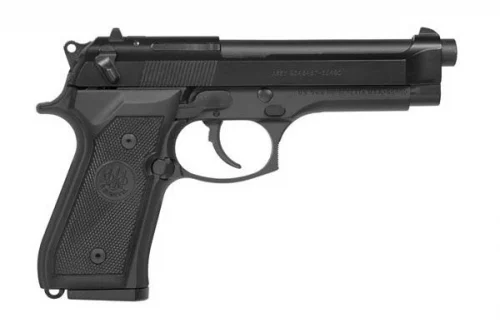
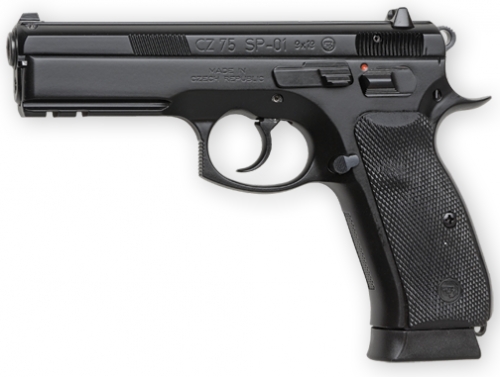
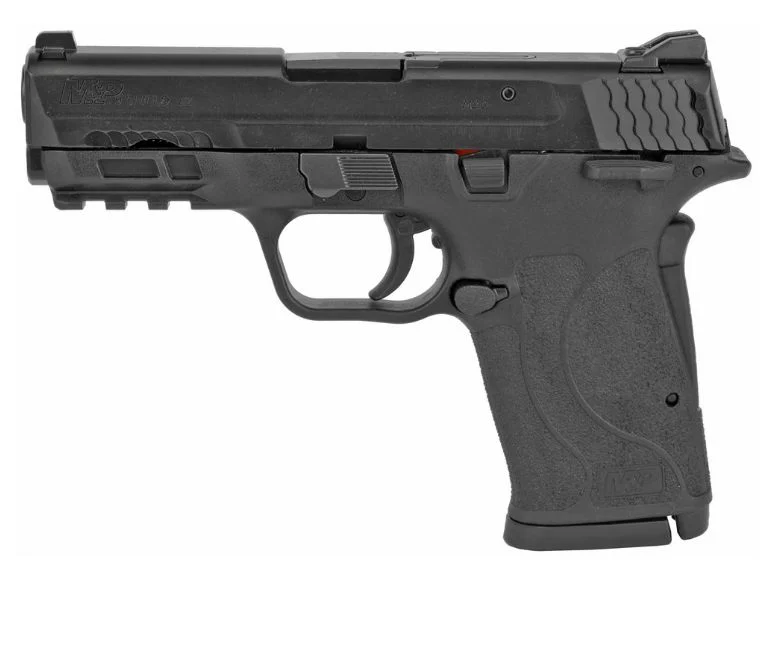
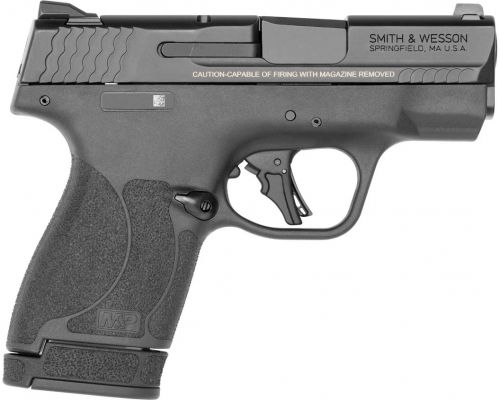
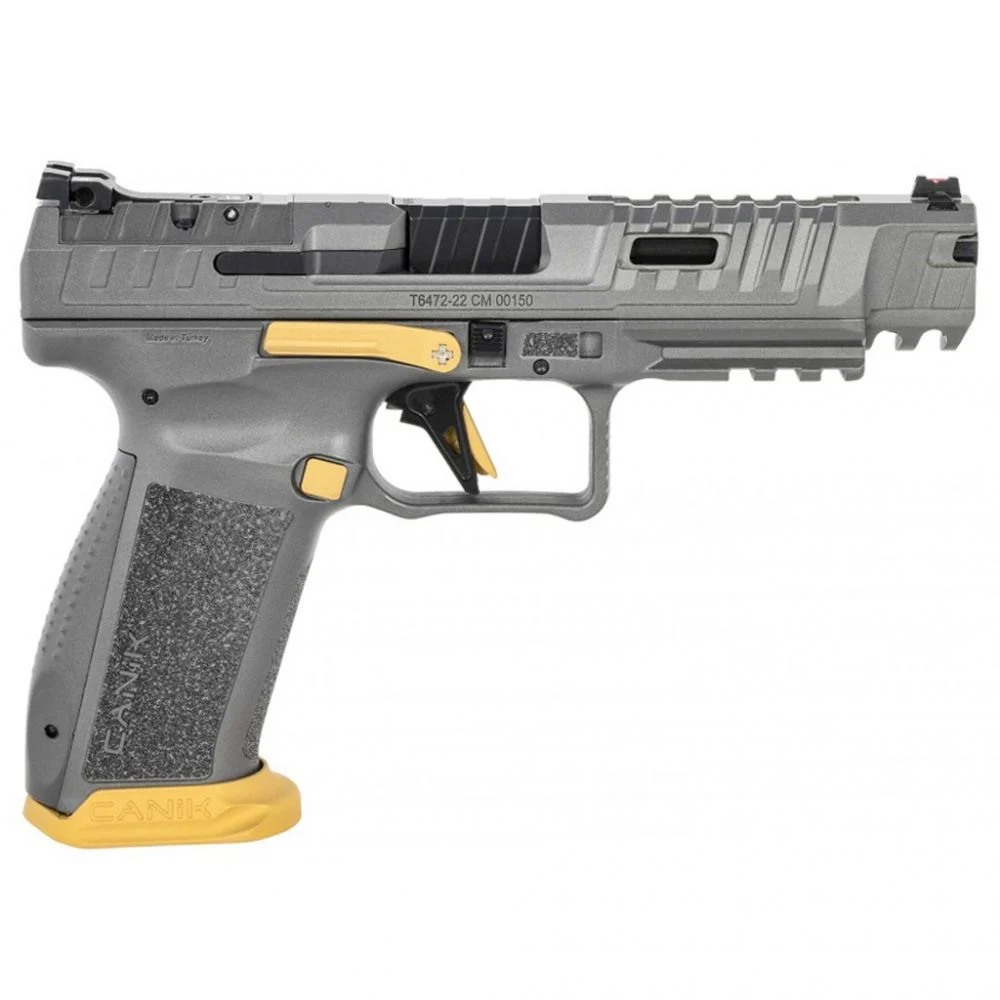
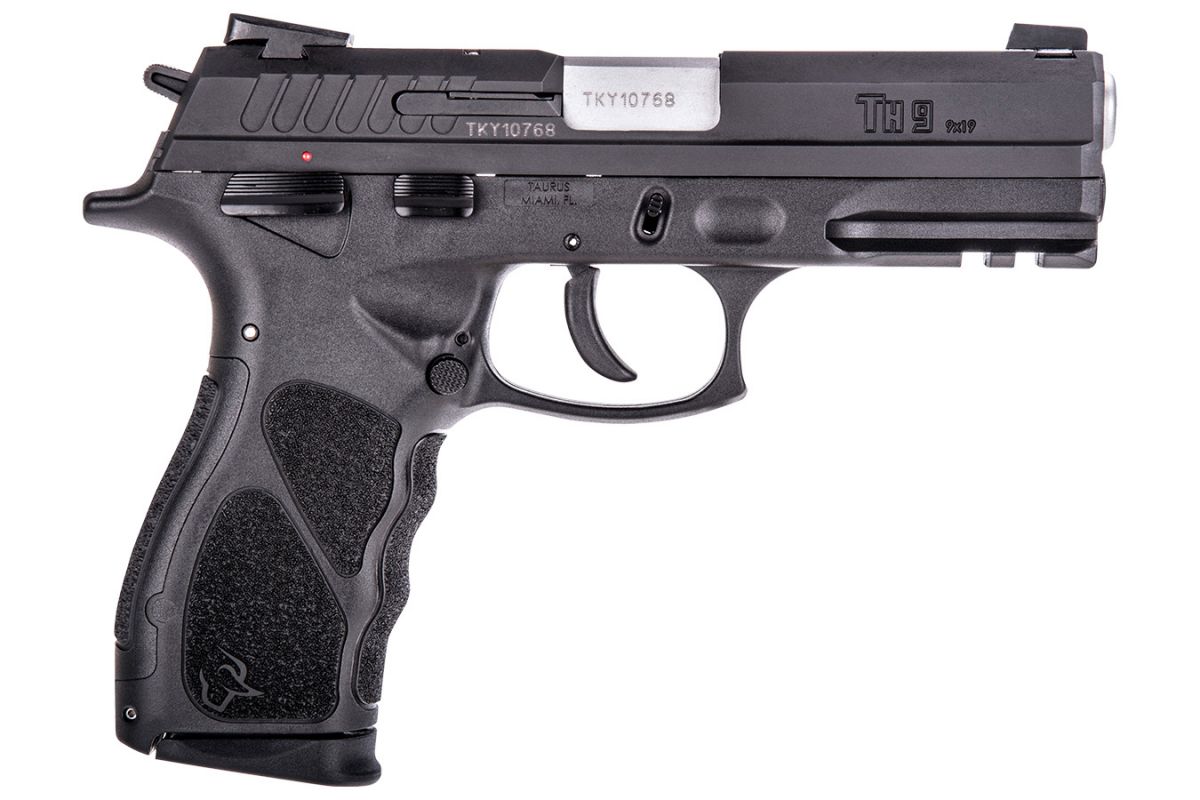
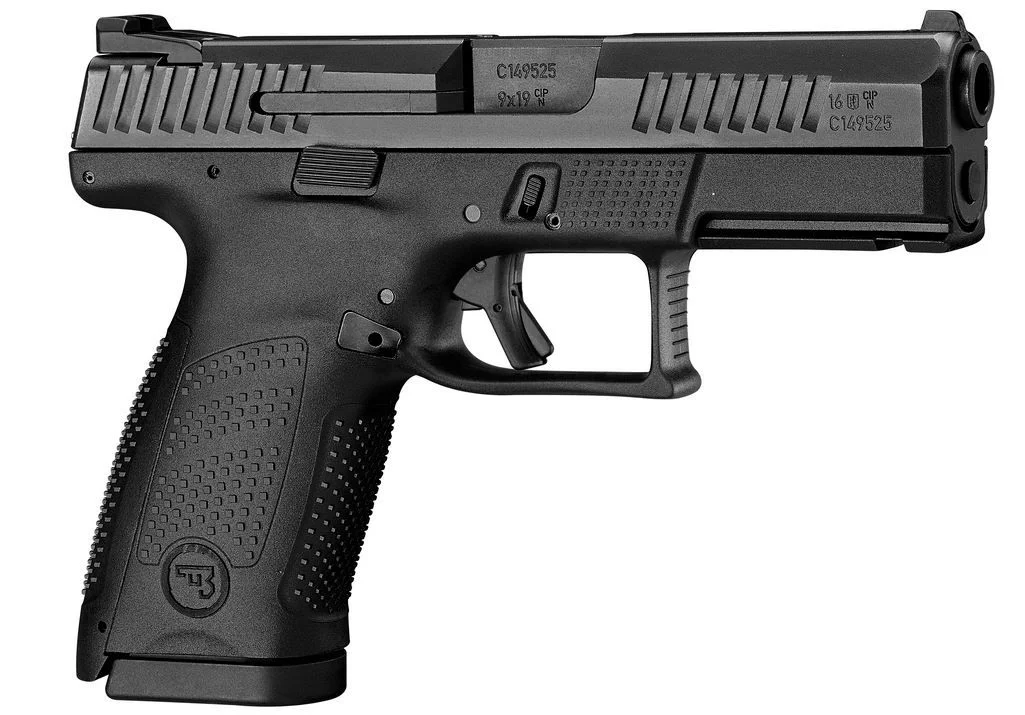
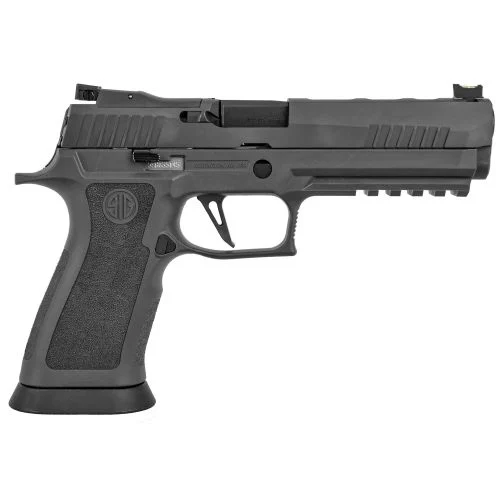
Handgun. Easy to store in a quick-access safe, easy to hold while opening doors or using a phone, and usable by adults of different sizes. Harder to shoot accurately than a long gun. A full-size or compact 9mm pistol with a weapon light is a common choice.
Shotgun. A pump or semi-automatic 12- or 20-gauge is effective at indoor distances. Recoil and length are the tradeoffs; a 20-gauge is easier for many shooters. Shot does spread, but at room distances the pattern is small, so you still need to aim.
Rifle or carbine. A carbine in 5.56mm, .300 Blackout or a pistol-caliber carbine is easy to shoot well, with light recoil and room for a light and optic. Check your state's feature and magazine rules before choosing one.
The right choice is the one you can operate confidently in the dark, under stress, and that everyone who might use it has trained with.
Ammunition and what is behind the target
Every round that misses, and some that hit, can go through interior walls. Use quality defensive ammunition designed to expand, which tends to penetrate fewer walls than full metal jacket or slug loads. Think about the layout: shooting toward a child's bedroom or a shared apartment wall is never acceptable. Your room plan should give you a safe line toward the door you are watching.
Lights
You must identify what you are pointing at. A weapon-mounted light lets you keep both hands on the gun, and a handheld flashlight lets you search without pointing the gun at everything you look at. Many people use both. Keep a flashlight by the bed regardless.
Safe storage
A gun kept for defense still has to be kept from children, visitors and thieves. Options include:
- Quick-access handgun safes with a keypad, biometric or RFID lock, bolted to a nightstand or bed frame.
- Full-size gun safes for long guns and firearms not in daily use.
- Cable or trigger locks as a minimum where nothing else fits.
- Locked ammunition storage for extra ammunition.
Several states have child access prevention or safe storage laws that can bring criminal charges if a minor gets an unsecured firearm. Some also require locked storage in vehicles. Check your state's law and store every firearm as if it applies to you.
The legal side
Self-defense law differs by state. Many states have a castle doctrine that removes the duty to retreat in your home, and some add stand-your-ground rules outside the home, but the details vary widely. In general, deadly force is justified only against an imminent threat of death or serious injury. Take a class that covers your state's law, and read your state attorney general's summary if one is available. After any defensive incident, call 911, follow instructions and speak with a lawyer before giving a detailed statement.
Apartments and shared walls
People in apartments, condos and townhouses have neighbors on the other side of thin walls, often only a few feet away. That makes ammunition choice and your safe room layout even more important. Choose a room where the likely line toward the door is backed by an outside wall, masonry or furniture rather than a neighbor's bedroom. Talk with other adults in the home about where everyone will be.
Maintenance and checks
A home defense firearm should be checked on a schedule. Rotate defensive ammunition once a year or so, check that the light works and the batteries are fresh, test the safe's battery and backup key, and clean and inspect the gun after every range trip. A gun that sits in a safe for years with a dead light and old ammunition is not ready.
Train the whole household
- Everyone should know the plan, the safe room and how to call for help.
- Adults who may use the firearm should train with it, including loading, clearing malfunctions and using the light.
- Children should learn to leave any gun they find alone and tell an adult.
- Practice the plan at night with the lights off, without the firearm.
Buying a home defense firearm
Firearms ship to a licensed dealer near you. Read how to buy a gun online and our FFL transfer guide, and check your state rules on our city pages. New to handguns? Start with the first handgun guide. Planning to carry outside the house too? See concealed carry reciprocity. Safes, lights and defensive ammunition are in the shop.
General information, not legal advice. Current as of September 2026. Laws change; check the official source before you act.